
Cold Abscess causes, symptoms and treatment options? A Case Study
- DR Dinesh Vats
- Feb 21, 2025
- 2 min read

Updated: Mar 17, 2025
Cold abscess is a painless cystic swelling which classically lacks the four cardinal signs of inflammation. It usually appears over neck lymph nodes and axillary lymph nodes. They can grow on the chest wall, spine, and knees as it spreads through the bloodstream.
There is mounting evidence that Coronavirus Disease 2019 (COVID-19) has dysregulated the immune system. People with weakened immune systems can develop active tuberculosis from latent tuberculosis. Latent tuberculosis is a condition in which tuberculosis-causing bacteria are present in the body but not causing active disease or spreading the disease to others.
Nutritional deficiencies, including both macronutrient (proteins and carbohydrates) and micronutrient (vitamins and minerals like Vitamin A, D, and Zinc) deficiencies, are associated with an increased incidence of tuberculosis infection. Alcohol consumption, especially heavy consumption, significantly increases the risk of tuberculosis infection.
Tuberculosis is also more prevalent in slum areas due to undernutrition, poverty, crowded places, poor hygienic conditions, and poor ventilation. People living with HIV have 16-27 times more risk of getting tuberculosis infection.
Diagnosis: A cold abscess is diagnosed with the help of several tests:
USG Neck: USG neck is a very useful test in diagnosing cold abscess as it can provide accurate size, number, and location of necrotic lymph nodes. USG neck is considered superior to CT scan in analyzing the neck lymph nodes, thyroid nodules, and tumors.
Mantoux Test: Also known as the tuberculin skin test. Tuberculin is injected into the skin, and the injection site is examined after 48-72 hours for induration.
Fine Needle Aspiration Cytology (FNAC): In this procedure, a thin needle is injected into the lymph nodes, and the sample taken from it can be examined under a microscope. AFB staining and GeneXpert can also be done with the sample collected.
Case Presentation: A 27-year-old male, an occasional alcohol consumer with a BMI of 18.9 (Height: 162.5 cm, Weight: 50 kg), presented with swelling on the right side of his neck for one week. The swelling was painless and fluctuant. He denies fever, night sweats, and loss of appetite.
On examination, he was conscious, cooperative, alert, and afebrile. Neck examination showed multiple cystic swellings, with the largest measuring around 3 cm x 1.5 cm.
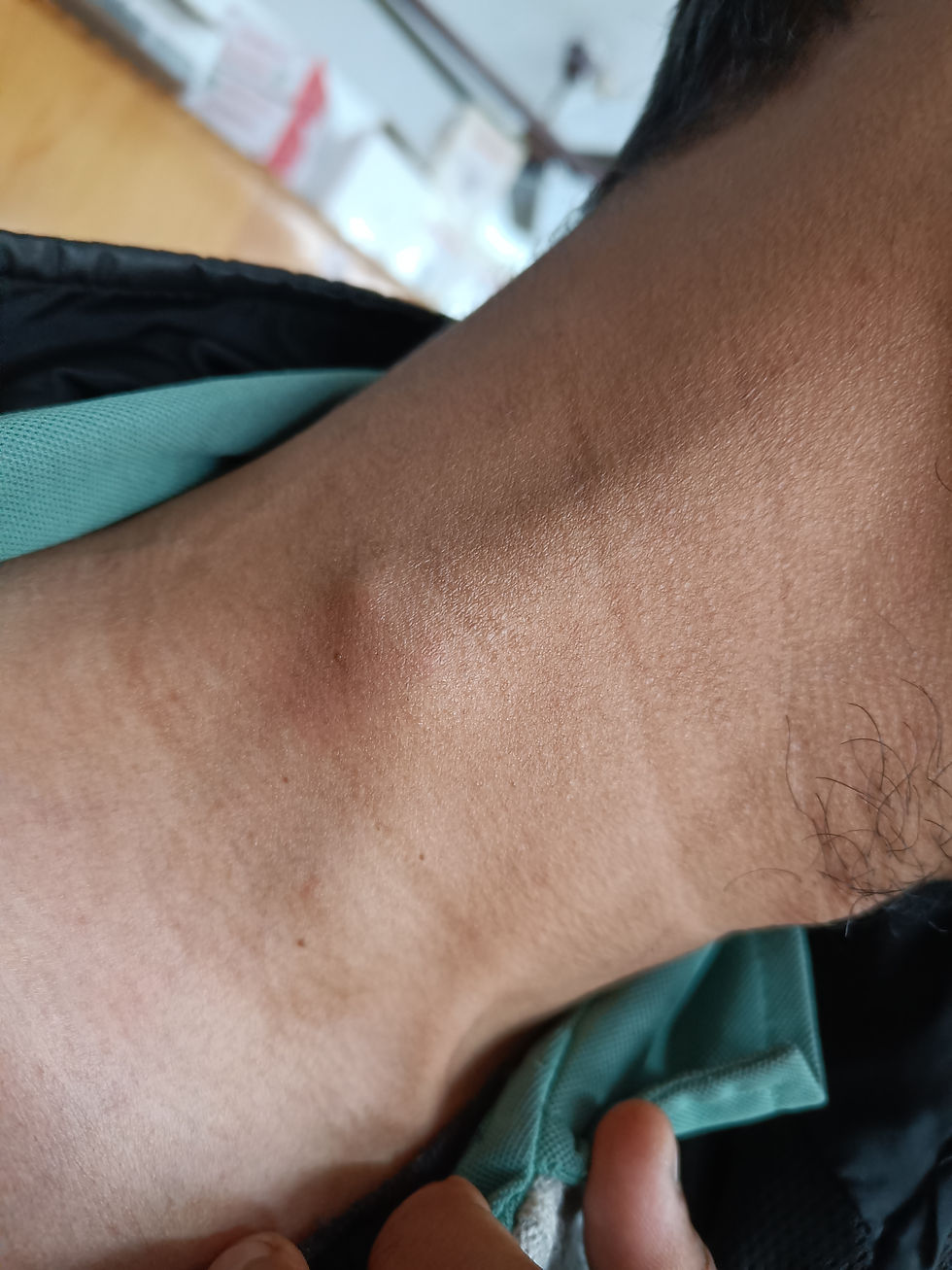
Image 1. Showing swelling over right side of neck. Routine investigations were done, and the complete blood count was grossly normal. ESR was also normal (5 mm 1st hr), and the chest radiograph was normal. USG Neck showed multiple necrotic conglomerated lymph nodes in the right level 2, 3, and 4, with the largest measuring around 34 x 15 mm in SAD in level 4.

Image 2. Showing usg report of neck swelling. Mantoux Test: The Mantoux test showed induration around the area injected with tuberculin, measuring about 25 mm x 20 mm.

Image 3 showing Positive Mantoux Test. FNAC: Fine needle aspiration cytology suggested tubercular infection with ZN for AFB positive.

Image 4. Showing FNAC report. Diagnosis: EPTB (Extrapulmonary Tuberculosis).
Treatment: The patient was started on ATT under DOTS.


great article 👍🏻